Commercial Roof Insurance Claims in Fort Collins, CO
Commercial Roofing
Commercial Roofing Services
Commercial Roof Insurance Claim Assistance in Fort Collins, CO
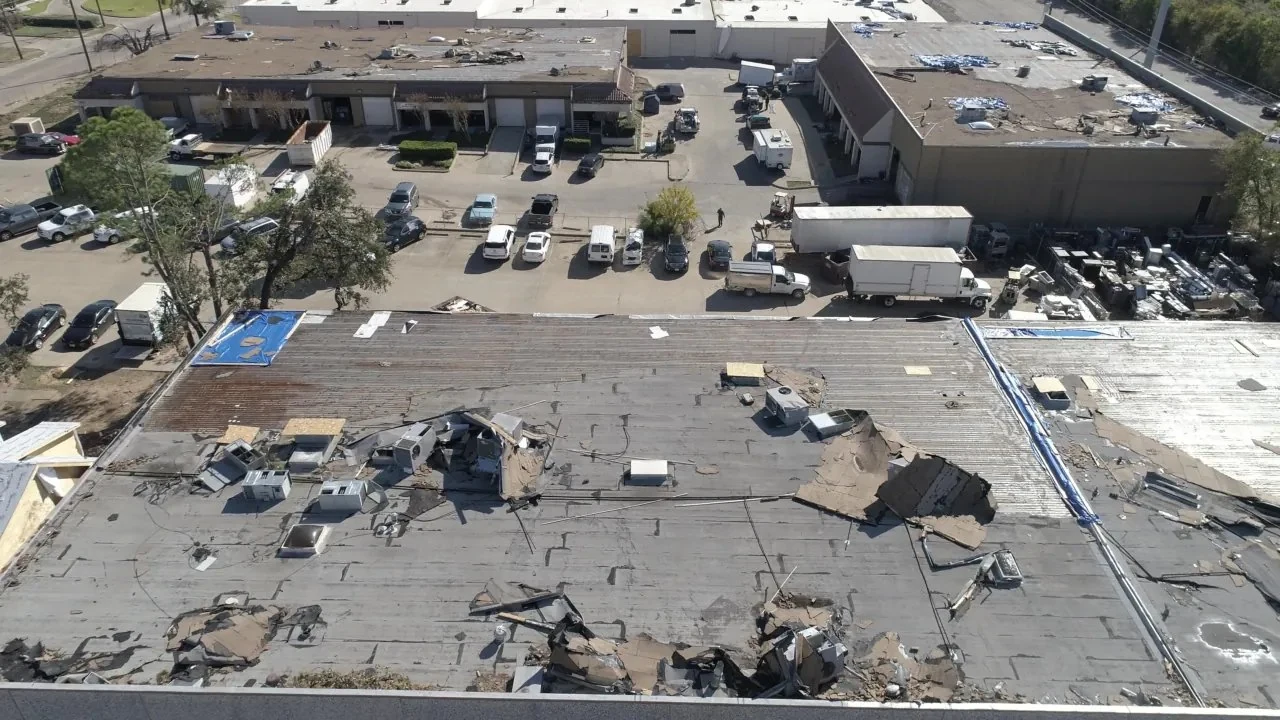
A commercial roof claim in Fort Collins usually starts the same way: a hailstorm or a wind event puts visible damage on a roof, someone calls it in, and the property owner is suddenly navigating a process most of them have only dealt with once or twice before. We're a roofing contractor, not a public adjuster, but we're on Larimer County roofs after storms constantly, and that puts us in a position to document damage the way it actually needs to be documented for a claim to reflect what happened.
What a Commercial Roof Claim Actually Requires
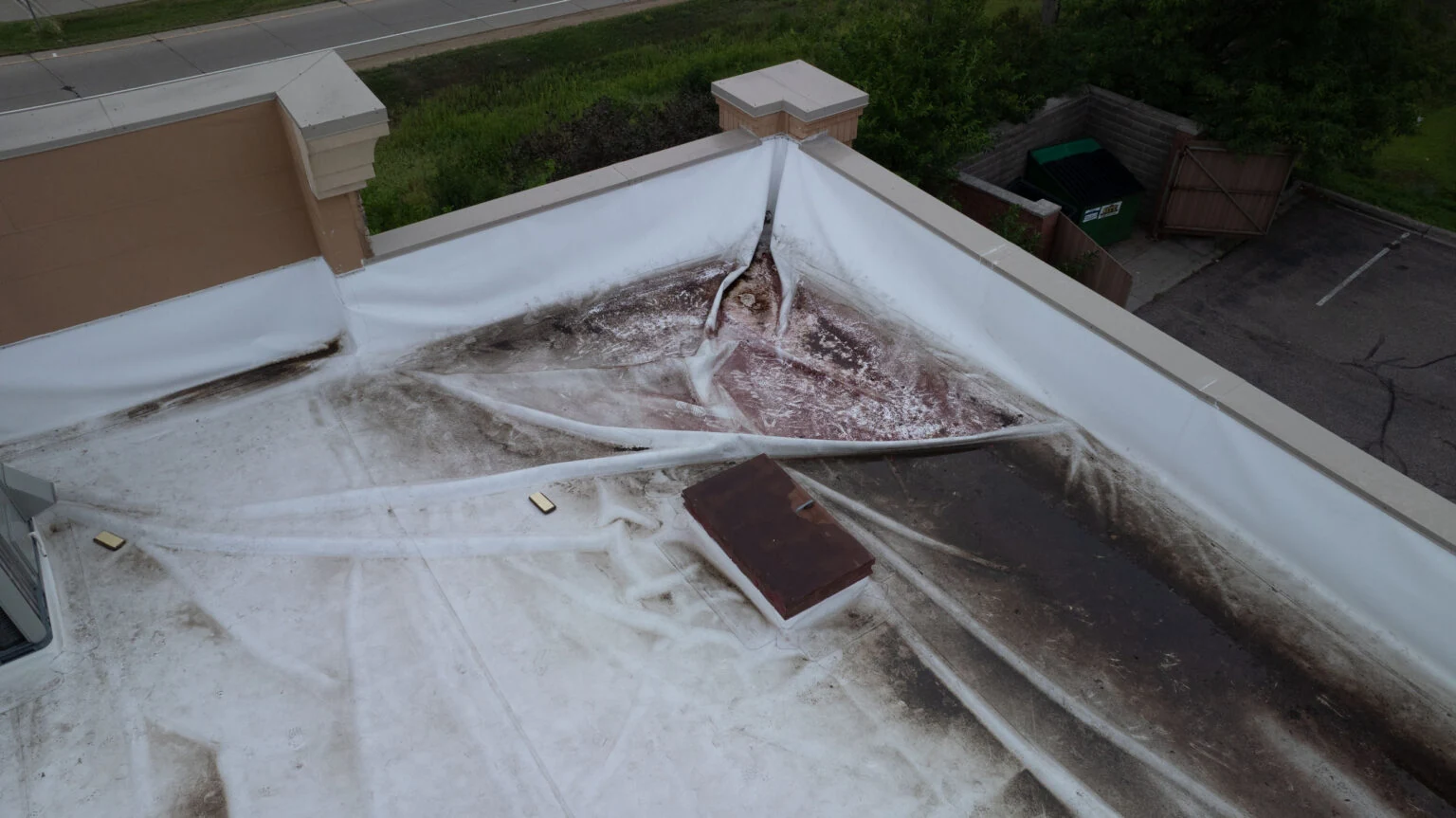
An insurance claim on a commercial roof lives or dies on the strength of its documentation. That means a full roof walk, not a from-the-ground look, with every point of damage located, photographed, and referenced against the roof's layout. It means moisture readings where water intrusion is suspected but not yet visible, measurements of affected area, and notes on membrane type, roof age, and prior repair history. Adjusters reviewing a Fort Collins claim want to see the whole roof's condition beyond the storm event viewed in isolation — the same standard covered in more detail on our roof documentation page.
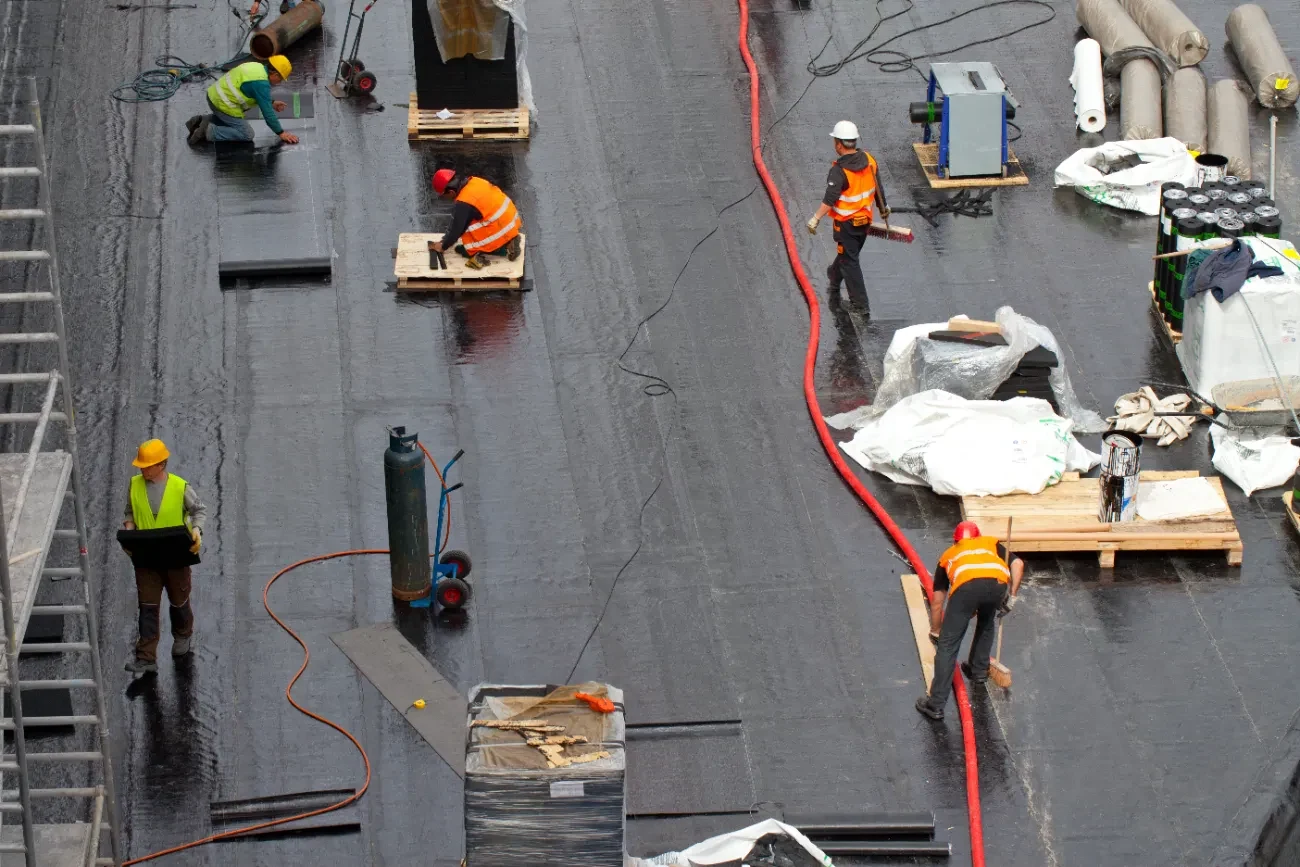
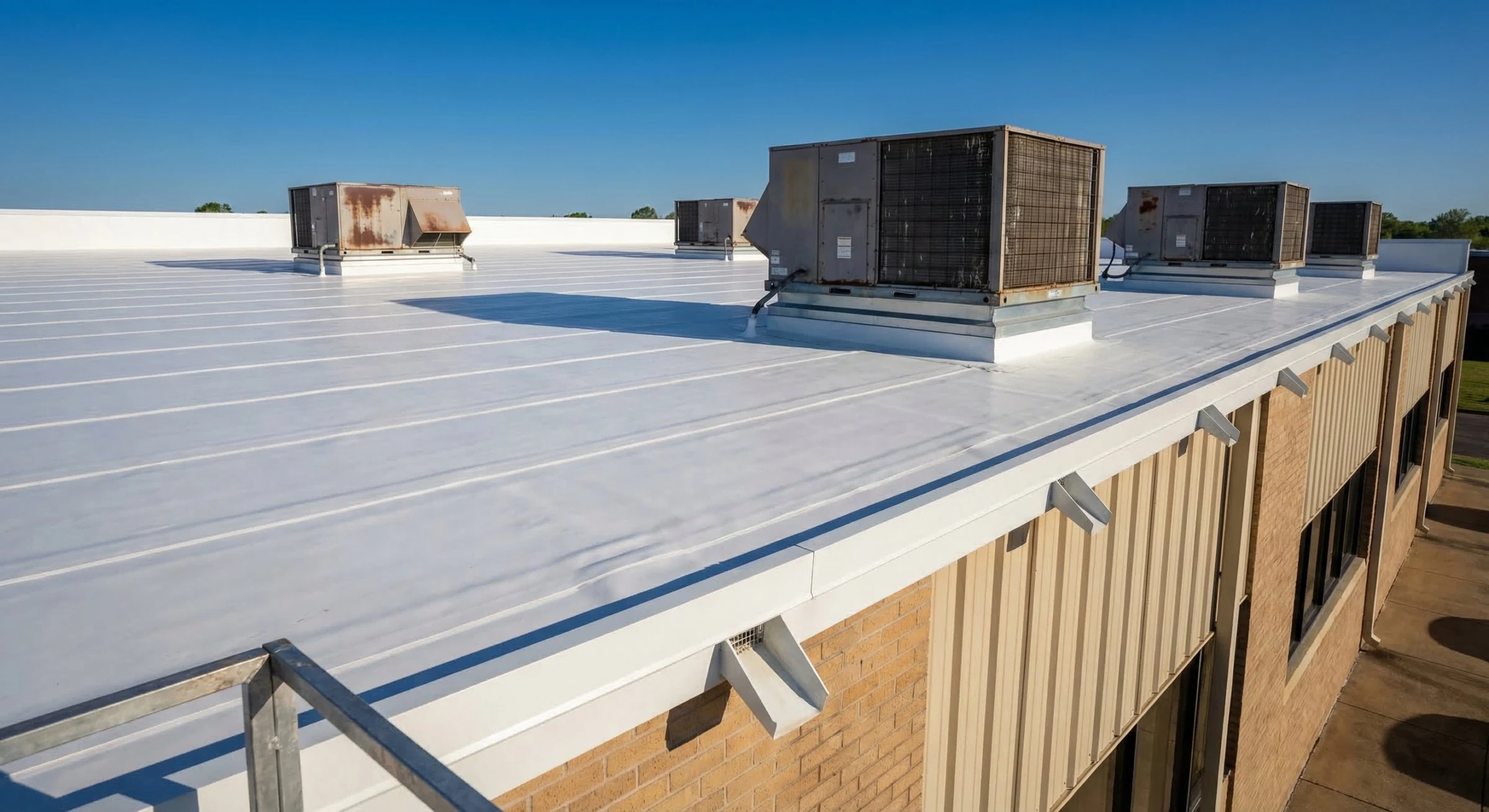
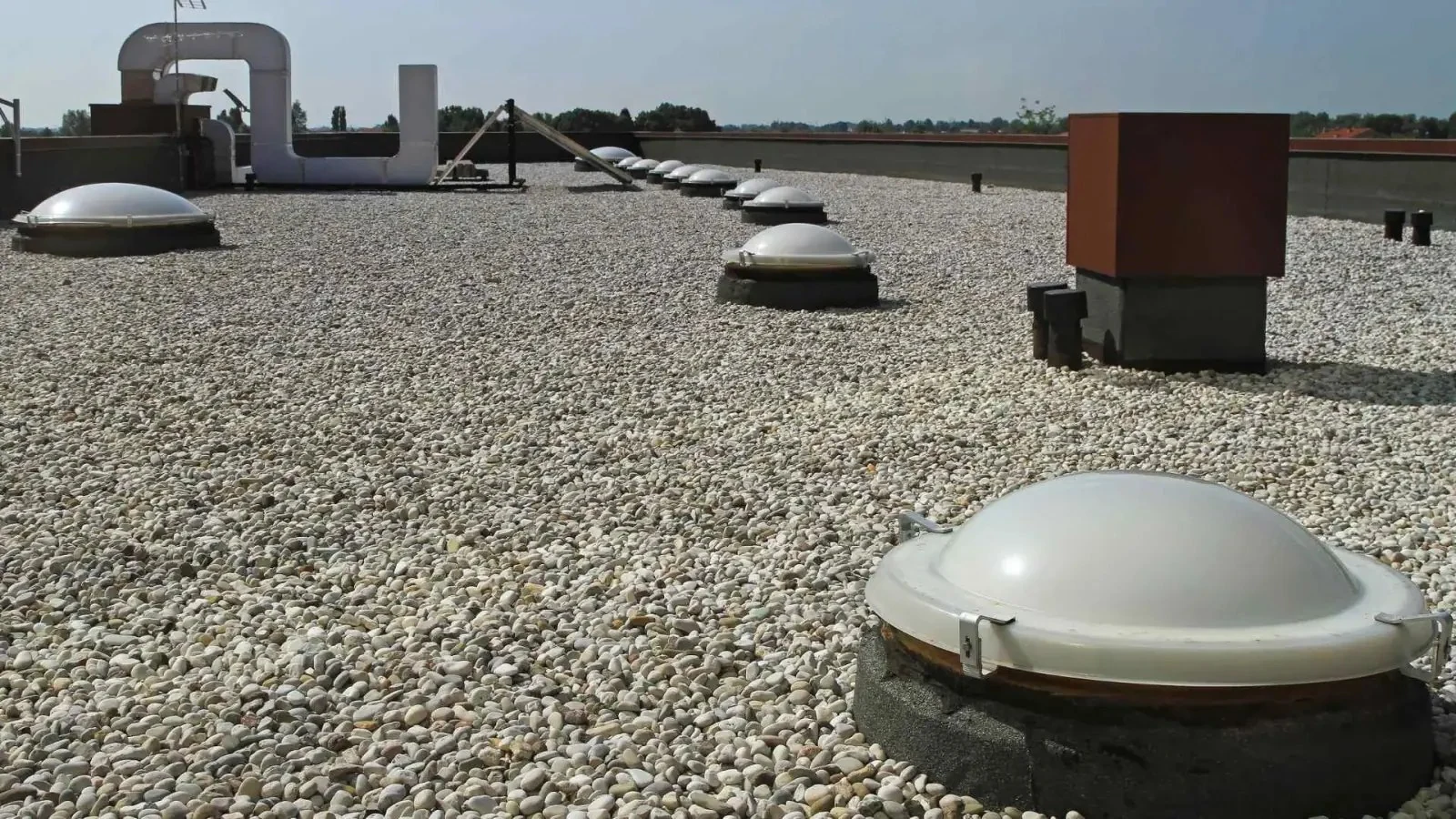
We build that record for CSU-adjacent commercial buildings, Harmony Corridor office parks, Old Town retail and mixed-use stock, and the brewery and light-industrial roofs scattered through north Fort Collins. Roof age and system vary a lot across those buildings — older Old Town roofs are often built-up or modified bitumen, newer construction along the Harmony Corridor runs mostly TPO or standing seam metal — and documentation has to speak to what's actually up there, not a generic template.
Meeting the Adjuster on the Roof
When a claim moves forward, we're glad to walk the roof directly alongside the insurance adjuster. We point to what we found during our own inspection, answer questions about membrane condition and impact patterns, and hand over our documentation for their review. We don't negotiate on that walk and we don't try to talk an adjuster into a number — our job is making sure the physical evidence on the roof gets seen and understood correctly, with cosmetic damage identified as cosmetic and functional damage identified as functional.
Having a contractor present who inspects roofs daily tends to make that conversation more productive for everyone involved. Adjusters cover a lot of ground during hail season, and a roof they're seeing for the first time is easier to evaluate accurately when someone who already knows it can point out what ground-level photos don't show.
Building a Complete Scope, Not a Partial One
One of the most common gaps in commercial roof claims is a scope that stops short of what the repair actually requires. A functional repair scope has to account for code and ordinance requirements that may not have applied the last time the roof was worked on, matching existing materials where partial replacement would leave a visible or performance mismatch, and secondary damage — soaked insulation, damaged decking — that isn't always obvious from the surface. We itemize all of that in our estimates so the scope reflects the true extent of what the roof needs, beyond the most visible impact points alone.
This matters most on older buildings. A modified bitumen roof from the 1990s repaired with a partial patch instead of full-slope resurfacing can leave mismatched materials that age differently and fail again within a few years. We flag where a targeted repair genuinely covers the damage and where the honest answer is a larger scope, whether that's a storm damage repair or a full reroof.
When Claims Come Back Denied or Underpaid
Sometimes a claim comes back lower than the roof's condition supports, or gets denied outright on the theory that the damage is pre-existing or purely cosmetic. When that happens, we can re-walk the roof, pull our original documentation, and put together additional evidence — closer photos, updated measurements, a written comparison of our findings against the denial's stated reasoning. We're not attorneys and we don't represent owners in a dispute, but we can make sure the roof-condition side of the record is as complete and accurate as possible if an owner wants to pursue reconsideration, on their own or with a public adjuster. More on how hail alley shapes this process in our market is on our insurance restoration page.
Where We Stand in This Process
We're your roofing contractor, not a public adjuster — we document and substantiate the roof damage so you and your adjuster work from an accurate scope. We don't file claims, we don't negotiate settlements, and we don't guarantee what an insurer will approve. What we do is put a roofing professional's eyes and camera on the damage, produce a record that holds up, and repair the roof correctly once a scope is agreed. For peril-specific detail, see our pages on hail damage claims, wind and storm damage claims, and snow and ice damage claims.
Insurance Claim Questions From Fort Collins Property Owners
Does insurance cover roof replacement after a hailstorm?
It depends on the policy and the extent of functional damage found. We don't make coverage determinations — that's the insurer's call based on the policy — but we document the physical condition of the roof so that determination is made on accurate information.
What's the general process for a commercial roof claim here?
Typically: storm event, roof inspection and documentation, claim filed with the insurer, adjuster review often including a roof walk, scope agreement, then repair or replacement. We're involved in the inspection, documentation, adjuster walkthrough, and repair stages.
What happens if my claim gets denied?
We can review our documentation against the denial reasoning and, if the physical evidence supports it, gather additional documentation. Beyond that, pursuing a denied claim further is a decision between the owner and their insurer, or a public adjuster or attorney if they choose to bring one in.
How do you decide between repair and full replacement?
Based on impact density, membrane condition, and how much of the roof's remaining service life the damage affects. Scattered functional impacts on an otherwise sound membrane usually point to repair. Widespread damage across an older roof often points toward replacement, and we'll say so plainly either way.
Do you work with property managers handling claims for buildings they don't own?
Yes. We coordinate with owners, property managers, and whoever holds day-to-day responsibility for the building, as long as we have access to the roof and a clear point of contact for the report.
Roof
GALLERY