Multi-Tenant Retail Strip Roofing in Fort Collins, CO
Commercial Roofing
Commercial Project Types
Strip Center and Retail Pad Roofing Along College and Harmony
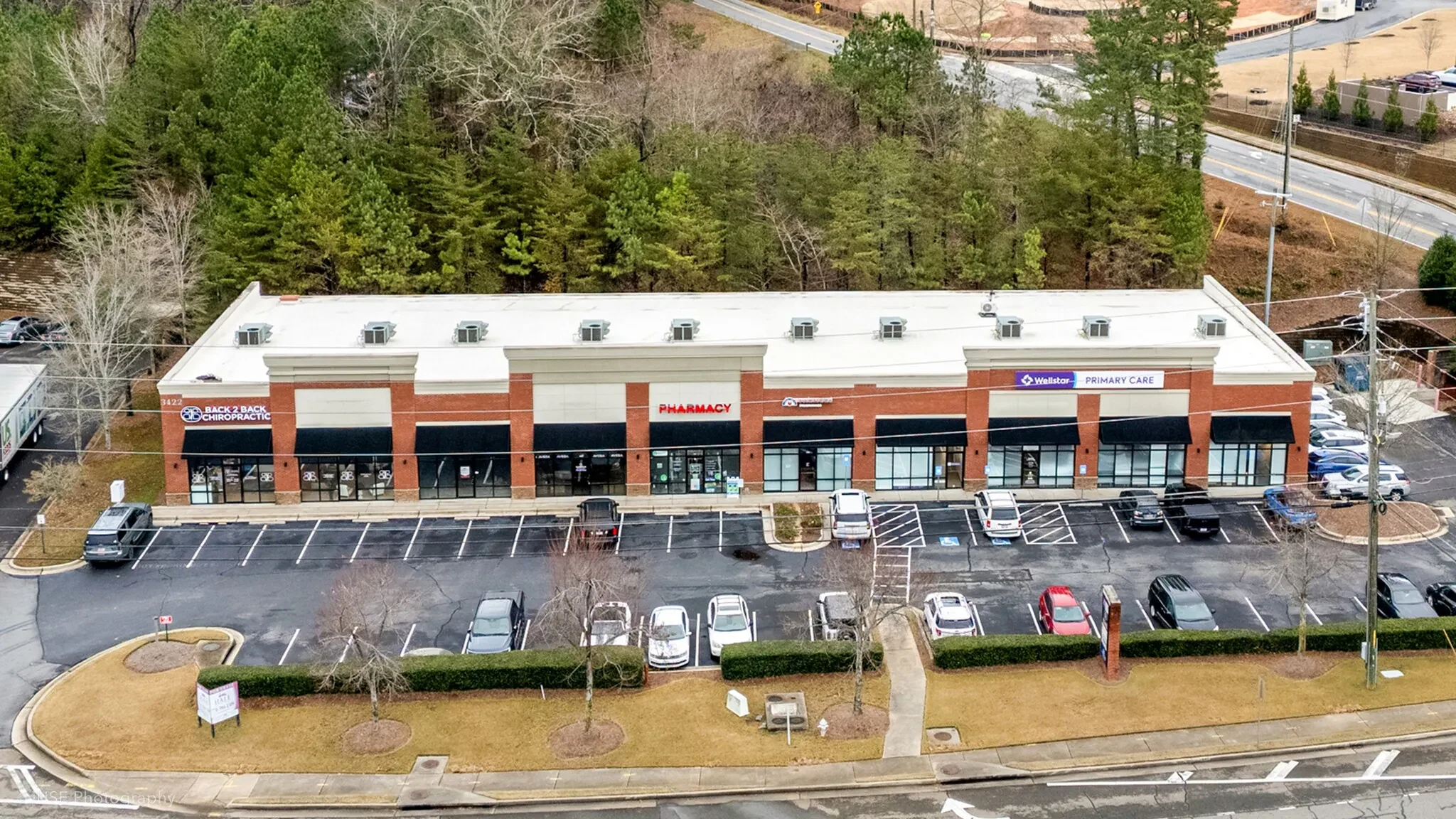
Retail roofs around Fort Collins split between older strip centers near Midtown and Foothills Mall, newer power center construction out along Harmony Corridor, and fast-growing retail pads pushing east toward Timnath and Johnstown. Each of those categories comes with its own lease structure and roof history.
Anchor Tenant vs Inline Tenant Roof Responsibilities
Strip center leases usually split roof responsibility between the property owner and individual tenants in ways that are not always consistent from one lease to the next, even within the same center. Before we quote a repair, we work with the property manager or owner to confirm who is actually paying for what, because a tenant improvement roof modification from five years ago can complicate a straightforward repair today.
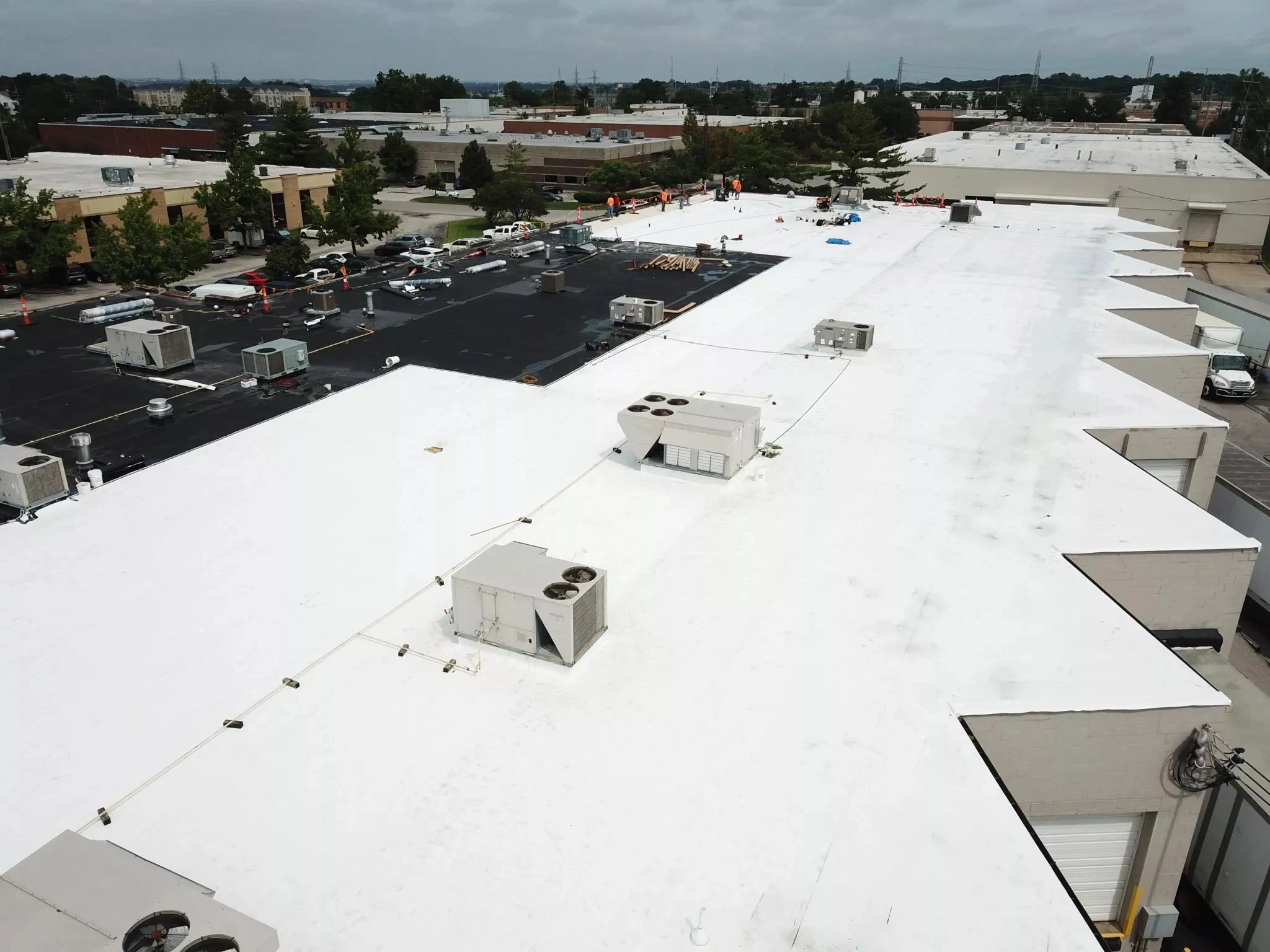
Anchor tenants sometimes install their own rooftop equipment under a separate contractor, and that equipment does not always get flashed to match the base building roof system. We identify those mismatches during inspection so an owner knows exactly where a warranty gap might exist before it turns into a dispute over a leak.
New Retail Pad Construction Along the I-25 Growth Corridor
Retail development has moved fast out toward Timnath and Johnstown as Costco, Walmart, and other anchors have pulled new pad construction along I-25, and those newer buildings still need the same attention to detail on roof-to-wall transitions and rooftop equipment tie-ins as any other commercial roof, even brand new. We work with general contractors on punch-list roof items on new construction as often as we work on aging repair calls.
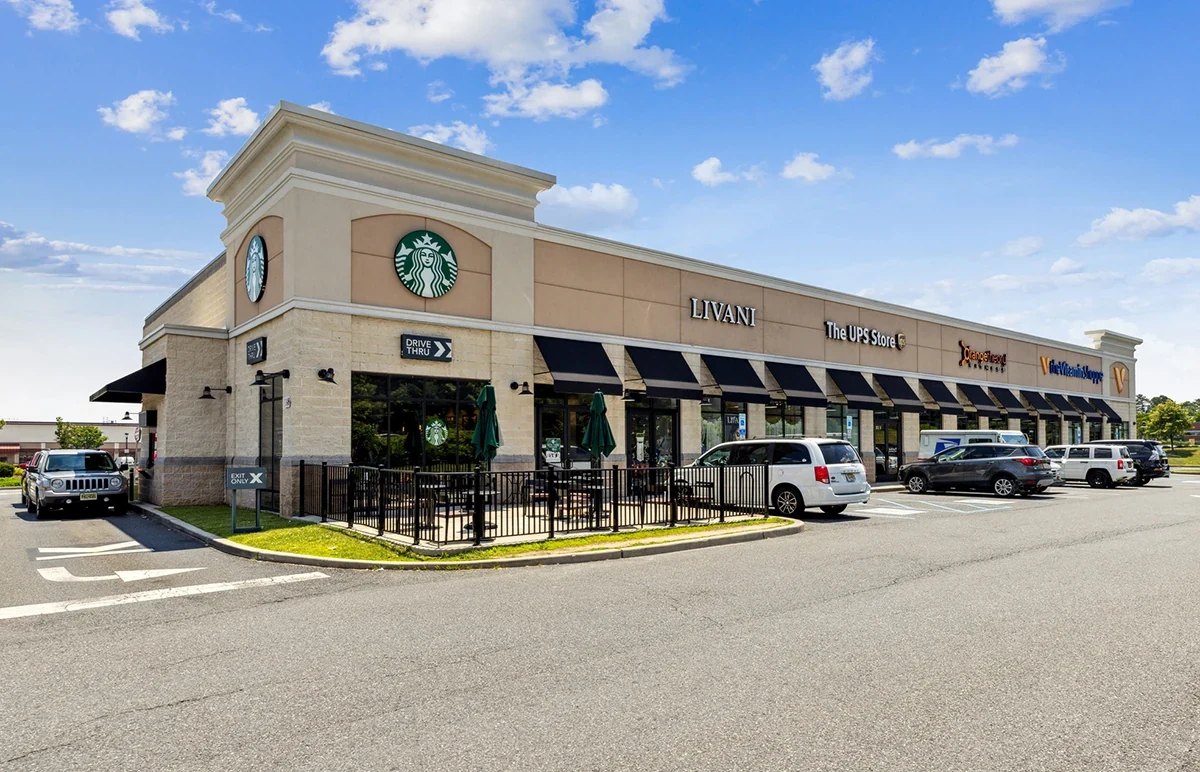
New pad sites also tend to add outparcel buildings, drive-thrus, and smaller retail pads around the anchor over a period of years, and each addition is its own roof system that eventually needs its own maintenance plan rather than getting lumped in with the anchor building.
Restaurant and Food Tenant Roof Penetrations
A restaurant tenant moving into strip center space almost always means new rooftop exhaust equipment, grease duct penetrations, and sometimes a walk-in cooler condenser that was not part of the original roof design. We coordinate that scope with the tenant's mechanical contractor directly so the roof penetration gets flashed correctly the first time instead of becoming a warranty argument between three different trades later.
Grease-laden exhaust also degrades certain roofing materials faster than clean air exhaust, so we recommend grease-resistant flashing and containment specifically at restaurant tenant spaces rather than using the same detail across every unit in a center.
Older Strip Centers Near Foothills Mall and Midtown
Strip retail along the College Avenue corridor near Foothills Mall has gone through multiple renovation cycles as tenants have turned over, and a lot of these roofs carry patchwork repairs from different eras layered on top of each other. We assess the whole roof rather than just the section over a new tenant's space, since a leak showing up in one unit sometimes originates from a repair done two or three tenants ago somewhere else on the roof.
Signage and awning mounts added over the years by different tenants also puncture these older roofs in places that were never part of the original design. We check those mounts for proper sealing during any inspection, since a sign bracket installed by a sign company crew is rarely flashed to roofing standards.
- Grocery-anchored strip centers with mixed tenant roof responsibilities
- Big-box anchored power centers along the Harmony and I-25 corridors
- Restaurant and food service pad sites
- Service retail outparcels including banks and urgent care clinics
- Older enclosed and open-air strip retail near Midtown and Foothills
- Drive-thru and quick-service restaurant roof structures
Coordinating Multi-Tenant Repairs Without Disrupting Business
Retail tenants depend on foot traffic, and a roofing crew staging material in front of a storefront during business hours costs a tenant real money in lost customers. We schedule loud or disruptive phases of a project outside peak shopping hours where the center's layout allows it, and we keep dumpster and material placement away from customer entrances.
Center managers juggling multiple tenants at once benefit from a single point of contact on our end rather than a different crew lead answering questions every week, so we keep continuity on multi-phase strip center projects from start to finish.
We also give tenants a heads-up window before work starts near their storefront specifically, beyond a general notice to the whole center, since a boutique owner needs different lead time to plan around construction than a national chain with a corporate facilities line handling the coordination.
Retail Strip Roofing Questions Property Owners Ask
Who is responsible for roof repairs in a strip center lease?
That varies by lease. We confirm responsibility with the property manager before quoting, since past tenant improvements can complicate what looks like a simple repair.
Do you work on new retail pad construction, or only repairs?
Yes. We work with general contractors on roof punch-list items on new pad buildings along the growth corridor as regularly as we handle repair calls on older centers.
How do you handle roof penetrations for new restaurant tenants?
We coordinate directly with the tenant's mechanical contractor on exhaust and grease duct penetrations so flashing gets done correctly at installation instead of becoming a dispute later.
Can a leak in one unit come from a repair somewhere else on the roof?
It can, especially on older strip centers with layered repair history. We assess the full roof rather than isolating the inspection to just the leaking unit's footprint.
Will roof work disrupt customer traffic at my storefront?
We schedule the most disruptive work outside peak hours where the site allows it and keep staging away from customer entrances to limit the impact on business.
Roof
GALLERY