Snow and Ice Roof Damage Insurance Claims in Fort Collins, CO
Commercial Roofing
Commercial Roofing Services
Snow and Ice Roof Damage Insurance Claims in Fort Collins
Fort Collins gets some of the heaviest snow of the season in March and April, well after most people have stopped thinking about winter weather, and those late storms drop wet, dense snow that sits far heavier on a flat commercial roof than the drier snow common earlier in the season. Add repeated freeze-thaw cycles at this elevation, and a lot of the snow and ice damage we document doesn't show up as a claim until weeks after the actual weather event that caused it.
Why Snow and Ice Claims Are Slower to Surface
Hail and wind damage is usually obvious within days. Snow and ice damage frequently isn't. A roof deflecting under sustained snow load, or a membrane seam working loose from repeated freeze-thaw cycling, can take weeks to produce a visible leak inside the building. By the time water shows up on a ceiling tile, the owner is trying to connect current damage back to a specific storm date from a month earlier, which is a harder claim to document than one filed the day after a hailstorm.
Documenting Snow Load Damage
When we're called out for suspected snow load damage, we look for roof deck deflection, membrane stress at structural bearing points, and ponding patterns that suggest the roof drainage system got overwhelmed during the melt. We measure and photograph deflection where it's present, check rooftop equipment curbs and penetrations for movement, and note drain and scupper condition, since blocked or undersized drainage is often what turns a heavy snow event into standing water and eventual membrane failure.
Freeze-Thaw and Ice Damming
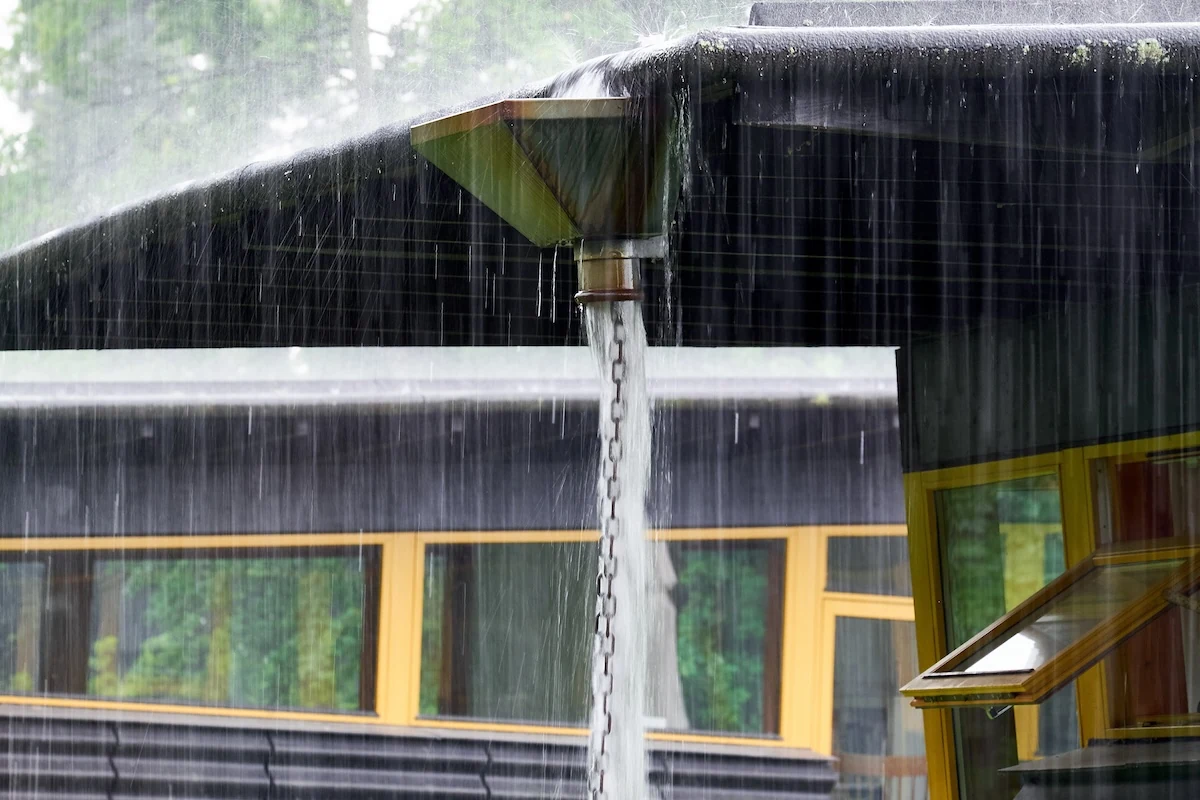
The freeze-thaw cycle common at this elevation is its own damage mechanism, separate from raw snow weight. Meltwater from a sunny afternoon refreezes overnight at rooftop edges, drains, and any low spot in the field, and repeated cycling opens seams and cracks flashing that a single storm wouldn't touch. Ice damming at drains and scuppers is something we check specifically after any stretch of freeze-thaw weather, because a blocked drain under an ice dam backs water up under the membrane in a way that isn't visible from the roof surface until it's already caused interior damage. Our drain and scupper service covers the underlying drainage-system side of this issue.
Connecting Damage to a Specific Weather Event
Because snow and ice damage often surfaces late, part of our documentation involves establishing a plausible timeline — matching observed damage patterns against known weather events, roof age, and any prior maintenance history. We're not weather forecasters and we don't claim certainty about exactly which storm caused which crack, but we describe what the physical evidence supports and note where the timing is consistent with a documented snow or freeze-thaw event. That level of specificity is usually what an adjuster needs to evaluate a delayed-onset claim fairly.
Roof Systems and How They Handle Snow Load
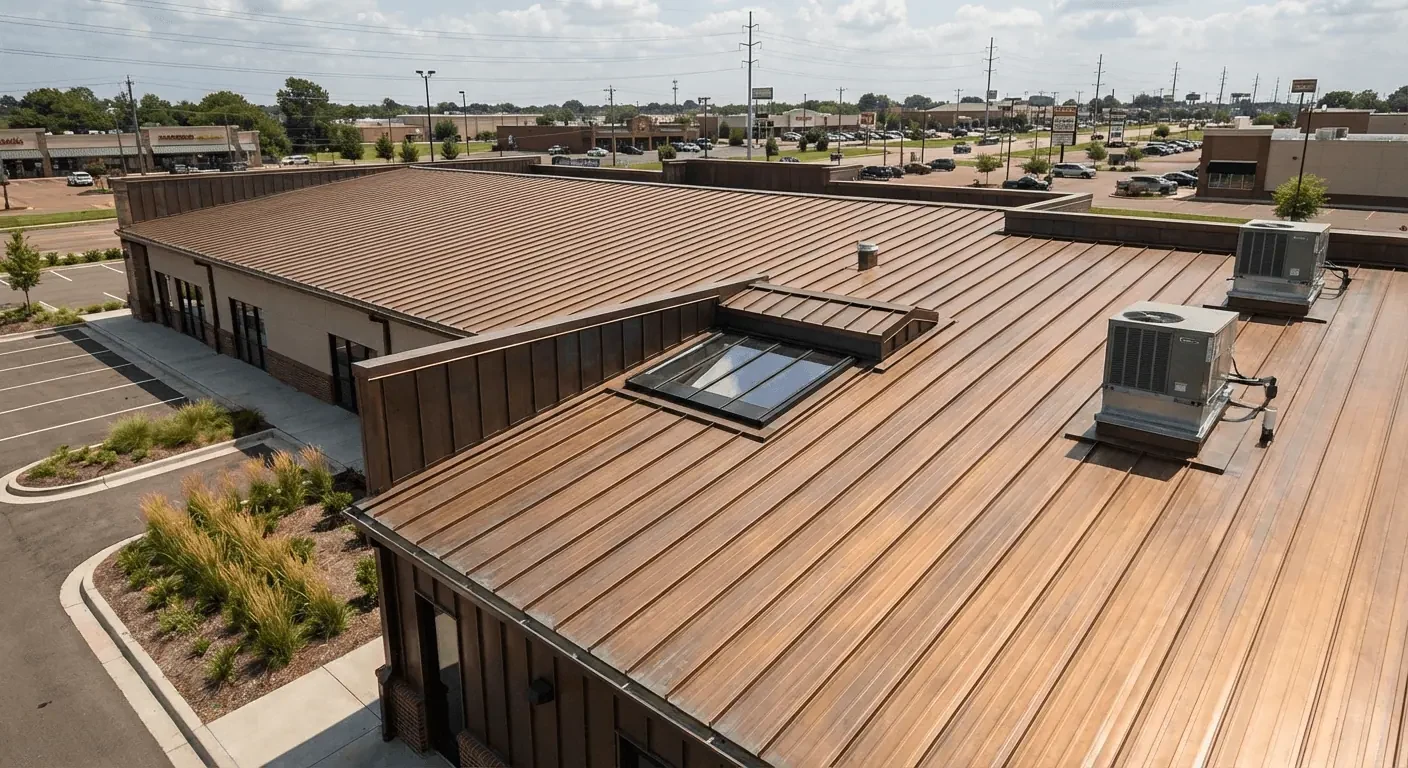
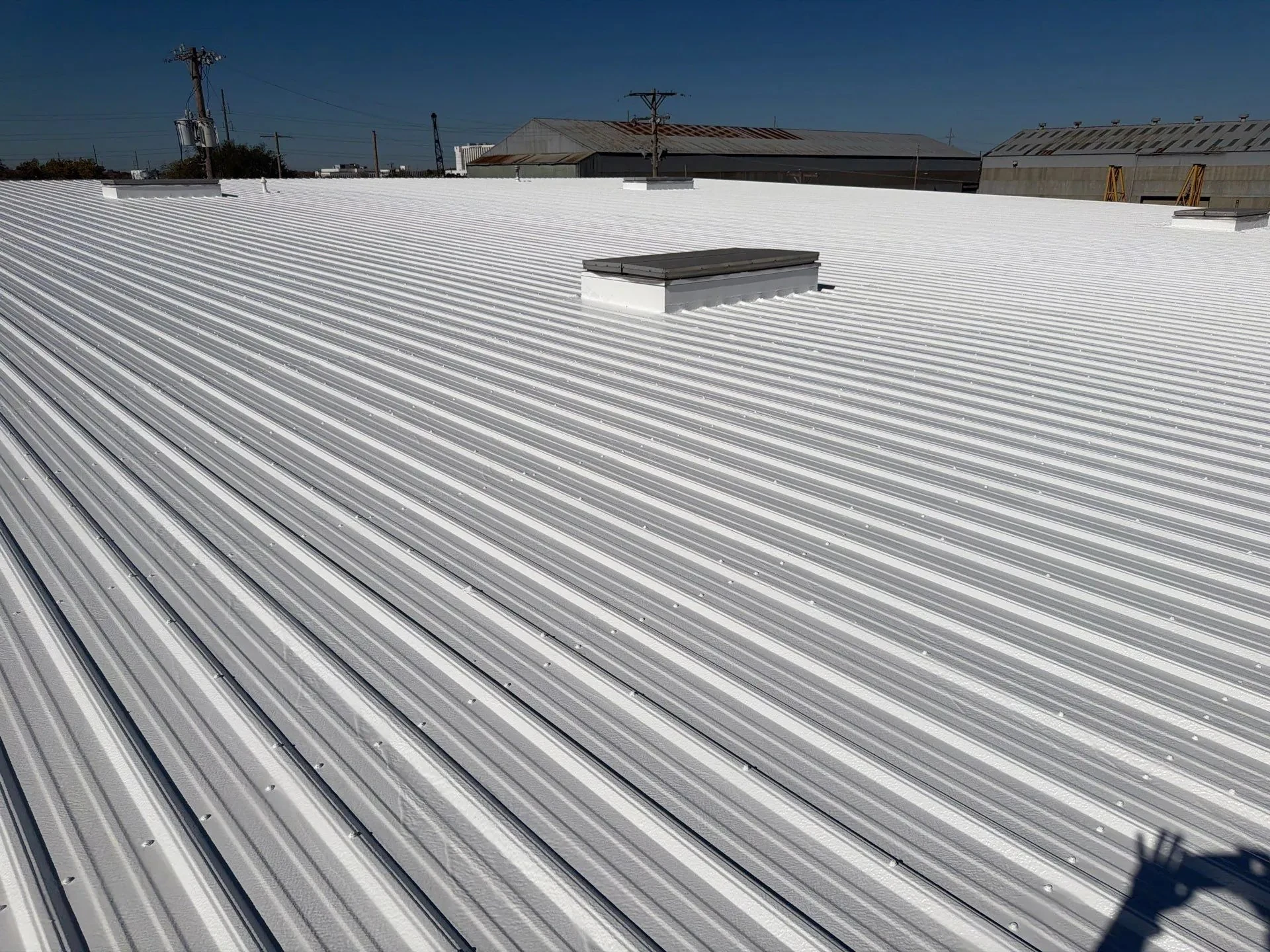
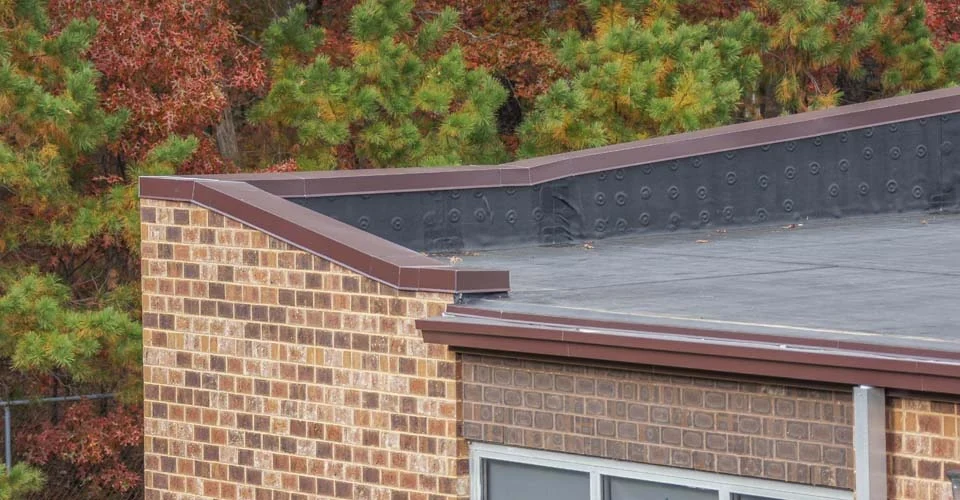
Older built-up and modified bitumen roofs common in Old Town tend to distribute snow load differently than newer TPO or standing seam systems on Harmony Corridor buildings, and insulation condition matters as much as membrane type. Wet or compressed insulation under a membrane loses R-value and can settle unevenly, which changes how the roof deck responds to repeated heavy snow. We note insulation and deck condition alongside membrane findings in any snow-load documentation, since that context often explains why one building sails through a heavy winter while a similar roof nearby develops problems.
Our Role in a Snow or Ice Claim
We're your roofing contractor, not a public adjuster — we document and substantiate the roof damage so you and your adjuster work from an accurate scope, whether the cause was snow load, ice damming, or a combination of both. We don't estimate what a claim will pay and we don't promise a particular outcome. We put an accurate, dated record of the roof's condition in front of whoever is reviewing the claim. General process detail is on our insurance claims page.
Snow and Ice Claim Questions From Fort Collins Property Owners
Can I still file a claim if the damage wasn't discovered until weeks after a storm?
Often yes, though it depends on your policy's timing requirements. We document the current condition and, where the evidence supports it, describe how the damage pattern is consistent with a specific prior weather event.
How do you tell snow load damage from an older structural issue?
We look at deflection location and pattern relative to structural bearing points and drainage paths, and compare that against roof age and any documented prior repair history. Sustained-load damage tends to concentrate differently than long-term structural settling.
Does ice damming count as storm damage for insurance purposes?
That's a policy and coverage question for the insurer, not something we determine. We document the physical evidence of ice damming — blocked drainage, backed-up water paths, affected membrane areas — and let that documentation inform the coverage discussion.
What should I do if I see a ceiling stain but the last snow was weeks ago?
Get the roof inspected as soon as you notice it. Delayed-onset leaks from snow and ice damage don't get better with more time, and an earlier inspection gives us a clearer read on what's still actively causing the intrusion.
Do you check drains and scuppers as part of every snow or ice inspection?
Yes. Blocked or undersized drainage is one of the most common contributors to snow and ice roof damage in this climate, so it's checked on every visit.
Roof
GALLERY