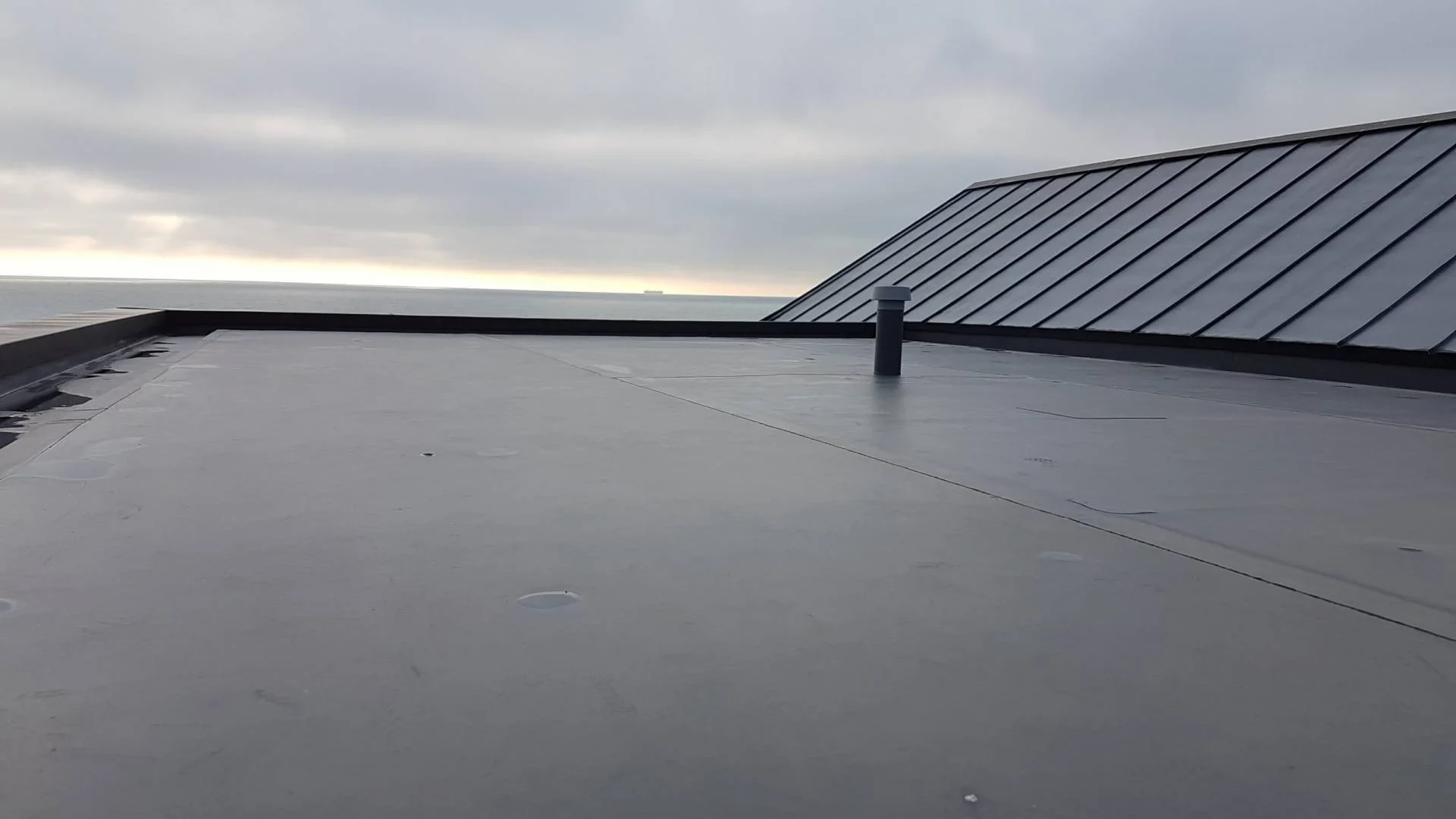
Roof Recover and Overlay Systems in Fort Collins, CO
Commercial Roofing
Commercial Roofing Services
Recover Roofing for Buildings That Can't Go Dark for Weeks
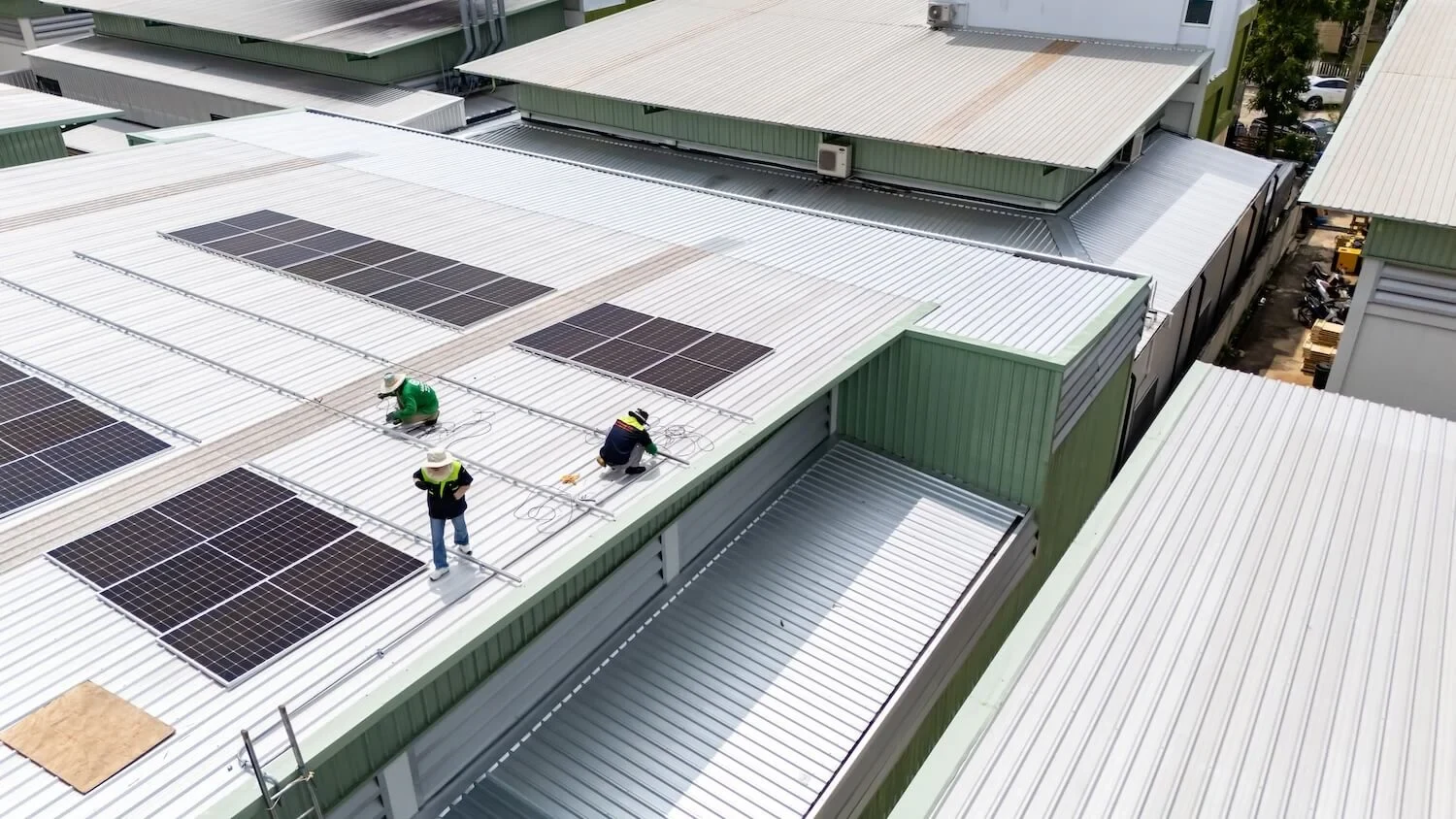
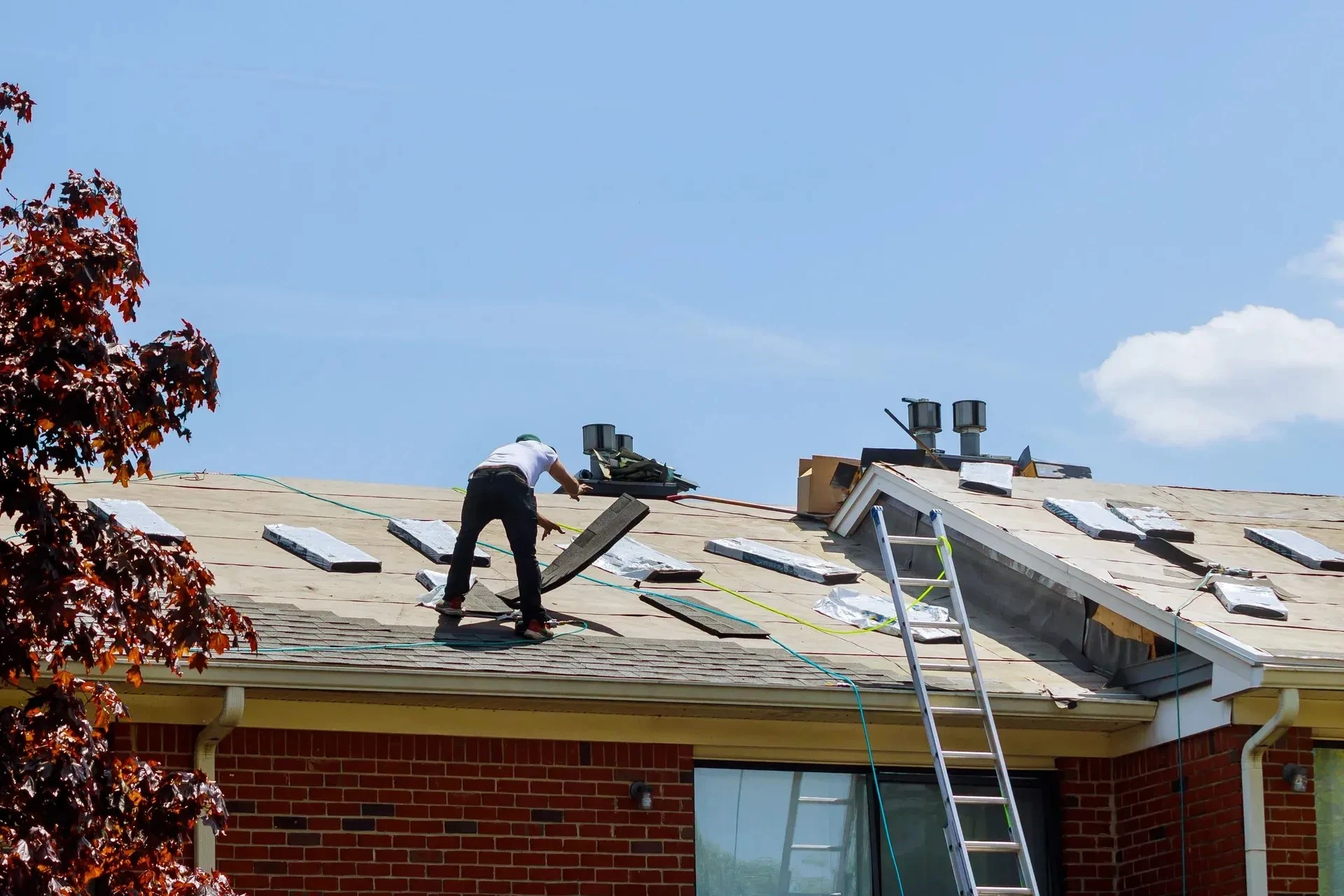
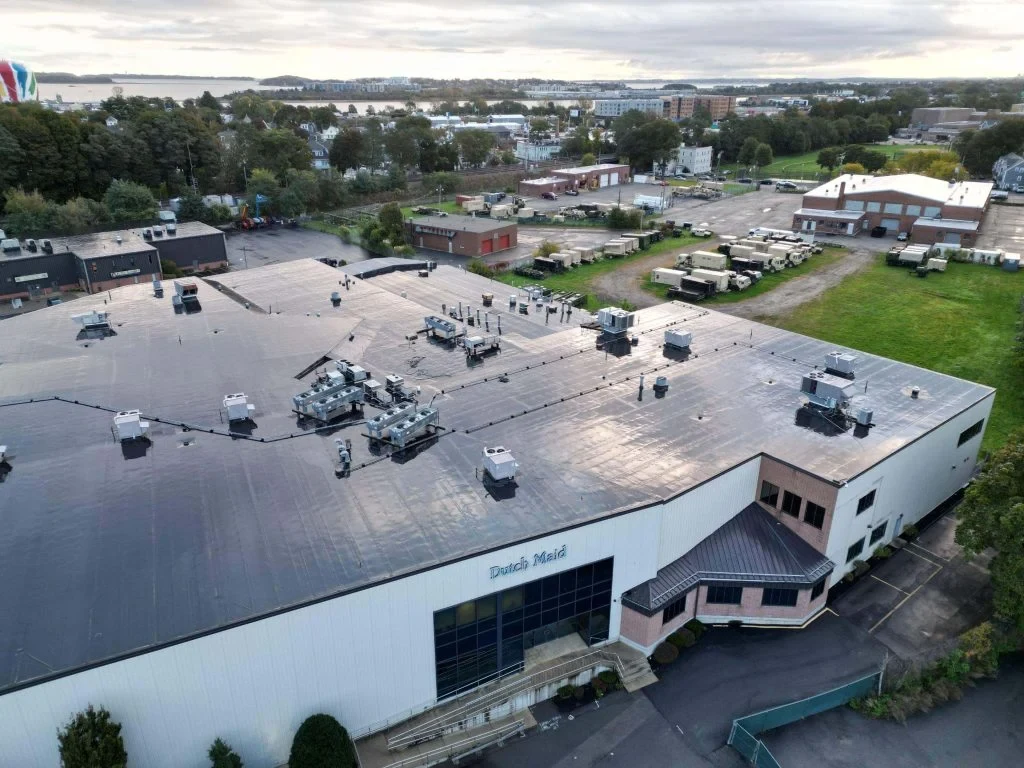
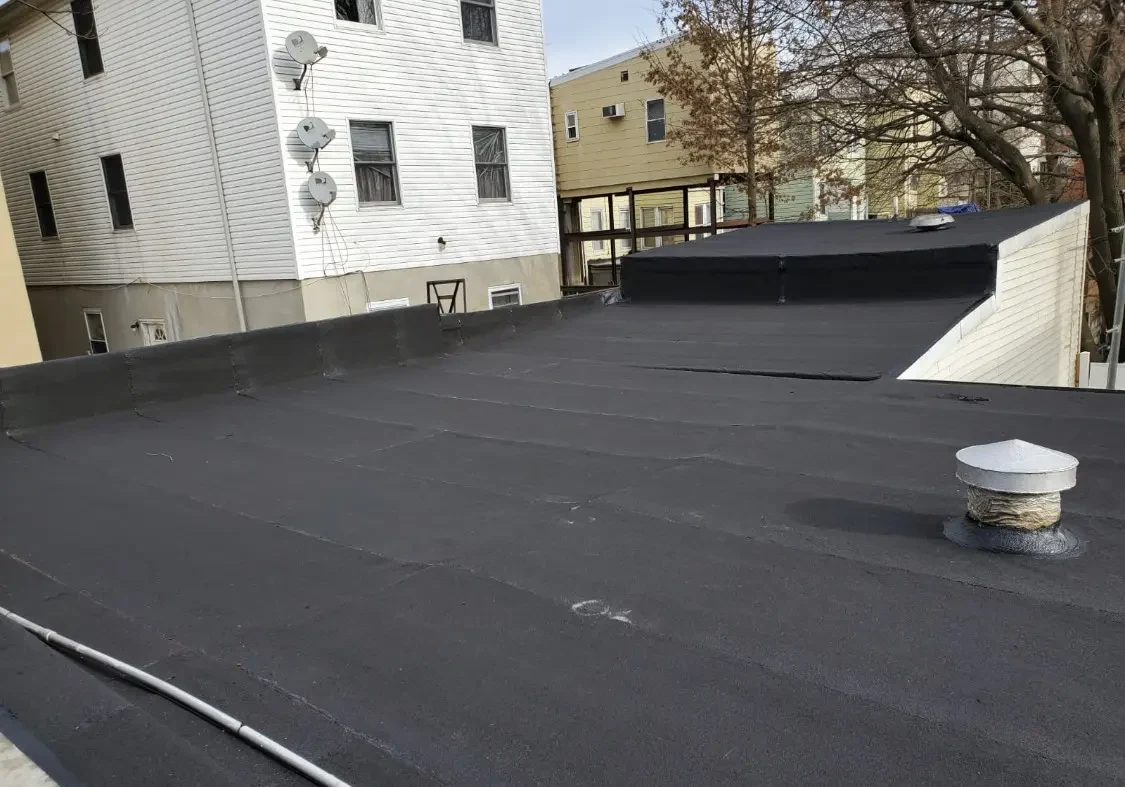
A recover puts a new membrane over the existing roof instead of tearing it off first. It costs less and keeps the building drier through construction, which matters most on schools, medical offices, and occupied retail buildings where a full tear-off would shut down operations for longer than anyone can afford.
When Recover Is a Real Option and When It Isn't
Recover only works if the existing roof deck is dry and structurally capable of carrying the added weight of a second membrane layer. That's the first thing we check, not the last. A moisture survey tells us whether the insulation underneath is already wet, since covering a wet roof with a new membrane just seals moisture in and accelerates deck deterioration out of sight.
Code also limits how many roof layers a building can carry before a recover isn't legally an option anymore, regardless of how dry the deck tests. We check that history before quoting anything, since a building that's already had one recover may be required to go to a full tear-off on its next re-roof.
Why Occupied Buildings Favor This Approach
A school district doesn't want a roof project running through a semester with an open deck exposed to weather. A medical office building can't have patient care areas disrupted by tear-off debris and extended exposure. Recover roofing addresses both problems by keeping the existing roof in place as a working surface while the new membrane goes down over it, which shortens the window when the building has any exposed roof deck at all.
Retail buildings along Midtown's College Avenue corridor face a similar pressure, just from a business continuity angle instead of an institutional one. Store owners don't want a multi-week tear-off disrupting foot traffic and operations when a recover gets them a new roof with less disruption.
What a Moisture Survey Actually Tells Us
We run infrared scanning, core cuts, or both depending on the building, to map out wet insulation before committing to a recover strategy. Wet spots get cut out and replaced even in a recover scenario, since leaving saturated insulation under a new membrane guarantees problems within a few years regardless of how good the new roof looks on day one.
This step is where a lot of cut-rate recover jobs go wrong. Skipping the moisture survey to save time or money on the front end just moves the cost to the back end, when the building owner discovers wet insulation under a roof that's supposedly brand new.
What We Evaluate Before Recommending a Recover
Recover isn't automatically cheaper or better just because it avoids tear-off. We look at:
- Moisture content of existing insulation across the full roof area rather than isolated spot checks
- Number of existing roof layers already in place and applicable code limits
- Structural capacity for the added dead load of a new membrane layer
- Whether existing flashing heights at parapets and curbs still work with an added layer of thickness
- Building occupancy schedule and how much disruption a tear-off would actually cause
- Long-term cost comparison between recover now and tear-off on the next cycle
Recover Limitations Owners Should Know Upfront
A recover doesn't reset the clock on an aging roof deck the way a full tear-off does. Problems with the original deck, drainage design flaws, or structural issues stay in place under the new membrane. We're clear with owners that a recover extends the roof system's service life, it doesn't fix everything wrong with the building underneath it.
We also flag when a recover is a short-term patch rather than a real long-term solution, particularly on older buildings closer to needing a full replacement than a second layer.
Scheduling Around School and Medical Facility Calendars
School district roof projects almost always have to work around the academic calendar, with the bulk of the disruptive phases scheduled for summer break rather than during the school year. Recover roofing shortens the total project window compared to tear-off, which sometimes makes the difference between finishing before students return and running a project into the fall semester with active construction noise over classrooms.
Medical office buildings present a different scheduling challenge since many stay occupied year-round with no equivalent break period. We phase recover work by roof section where the building layout allows it, keeping noise and vibration away from active patient areas during business hours and shifting the most disruptive work to early mornings or weekends when the practice negotiates that kind of access.
Recover and Overlay Questions From Facilities Managers
How do you know if our roof qualifies for a recover instead of tear-off?
We run a moisture survey and check the existing layer count against code limits. Both have to check out before we recommend recover over full replacement.
Will a recover disrupt our school or medical facility less than a tear-off?
Generally yes, since the existing roof stays in place as weather protection throughout most of the project instead of exposing the deck.
Does recover cost significantly less than tear-off and replacement?
Usually, since labor and disposal costs drop when the old roof doesn't need to be removed. The savings vary depending on the building and existing roof condition.
What happens if you find wet insulation during the moisture survey?
We cut out and replace the wet sections before installing the new membrane. Skipping that step defeats the purpose of doing a recover at all.
Can any building get a recover, or are some required to do a full tear-off?
Code layer limits and existing roof condition both restrict this. A building that's already had multiple roof layers installed may not qualify for another recover.
Roof
GALLERY